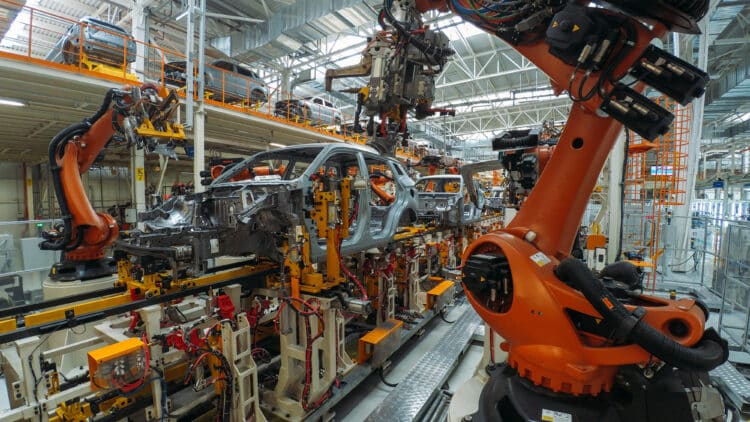
Achieving Net-Zero Automotive Assembly Plants involves advanced design, renewable energy, and efficient operations, setting new industry benchmarks for sustainability.
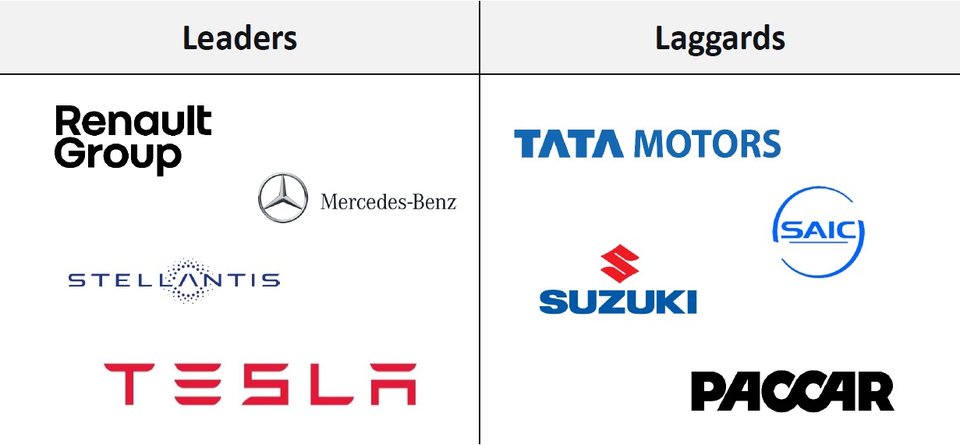
The automotive industry is undergoing a significant shift towards environmental responsibility. Manufacturers are no longer just focused on vehicle emissions. They are now scrutinizing their entire production footprint. This includes the very facilities where vehicles are built. The goal is clear: design and operate assembly plants that produce no net carbon emissions. This ambitious objective requires a holistic approach, integrating advanced technology with sustainable practices from the ground up.
Overview
- Net-Zero Automotive Assembly Plants aim for no net carbon emissions during operations.
- This involves extensive use of renewable energy sources like solar and wind power.
- Efficient facility design, including superior insulation and natural lighting, minimizes energy demand.
- Water conservation and waste reduction strategies are integral components of these plants.
- The US automotive sector is increasingly adopting these sustainable manufacturing principles.
- Economic benefits, regulatory compliance, and brand reputation drive this industry evolution.
- Achieving net-zero status impacts everything from material sourcing to final vehicle assembly.
Building Net-Zero Automotive Assembly Plants: A Foundational Approach
Creating Net-Zero Automotive Assembly Plants begins long before the first foundation is poured. Site selection is crucial, prioritizing locations with access to renewable energy potential, such as abundant sunshine for solar arrays or consistent wind for turbines. The architectural design itself plays a massive role. Passive design elements significantly reduce energy consumption. This includes optimal building orientation to maximize natural light and minimize solar heat gain. High-performance insulation, low-emissivity windows, and airtight construction reduce heating and cooling loads.
Material selection is another key consideration. Builders opt for recycled content, regionally sourced materials, and those with low embodied carbon. This reduces the carbon footprint associated with construction. Advanced Building Management Systems (BMS) integrate and control lighting, HVAC, and power distribution. They ensure optimal efficiency across the entire facility. Smart sensors and real-time data analytics help fine-tune operations. This continuous monitoring drives ongoing energy savings.
Sustainable Practices in Modern Production
Achieving carbon neutrality extends beyond the building’s shell. Manufacturing processes within a sustainable automotive plant are re-engineered for efficiency. Lean manufacturing principles reduce waste in every step. Robotics and automation optimize material flow and energy use. They perform tasks with precision, minimizing reworks and scrap. Water management is also critical. Advanced recycling systems treat and reuse water used in painting, washing, and other processes. Rainwater harvesting provides water for non-potable uses, reducing reliance on municipal supplies.
Waste generation is tackled through a circular economy mindset. This means designing processes to minimize waste, then reusing, recycling, or composting materials. Byproducts from one process might become inputs for another. For example, scrap metal is collected and returned to suppliers for reprocessing. Packaging materials are often reusable or fully recyclable. This comprehensive approach helps plants achieve zero waste-to-landfill targets, further reducing their environmental impact and operational costs.
Energy Systems for Net-Zero Automotive Assembly Plants
The heart of any carbon-neutral facility lies in its energy strategy. Net-Zero Automotive Assembly Plants rely heavily on on-site and off-site renewable energy generation. Large-scale rooftop solar photovoltaic (PV) systems are common. Ground-mounted solar farms can also power operations. Wind turbines may be integrated where feasible. Geothermal systems provide efficient heating and cooling. These diverse sources ensure a resilient and clean energy supply.
Energy storage solutions, primarily large battery banks, manage intermittency from renewable sources. They store excess energy generated during peak production and discharge it when demand is high or generation is low. Smart grid integration allows plants to interact with the wider energy network. They can export surplus energy or draw power efficiently. This creates a flexible energy profile. The US government offers incentives for renewable energy adoption, making these investments more viable for manufacturers.
The Road Ahead for Net-Zero Automotive Assembly Plants
The push towards Net-Zero Automotive Assembly Plants reflects a broader commitment to sustainability across the industry. Manufacturers are responding to consumer demand for greener products and increasing regulatory pressures. Policy frameworks and tax incentives in the US support these green investments. The challenge remains significant. Initial capital costs can be substantial, though long-term operational savings often offset these expenses. Supply chain decarbonization is another complex area, requiring collaboration with numerous partners.
Future developments will likely include even more integrated smart technologies. Predictive maintenance, powered by AI, will optimize equipment performance and reduce energy waste. Advanced material science will yield lighter, stronger, and more sustainable building components. The collective effort across engineering, manufacturing, and policy will continue to drive innovation. This ensures that the automotive industry builds a cleaner future, one assembly plant at a time.